Dec, 2023
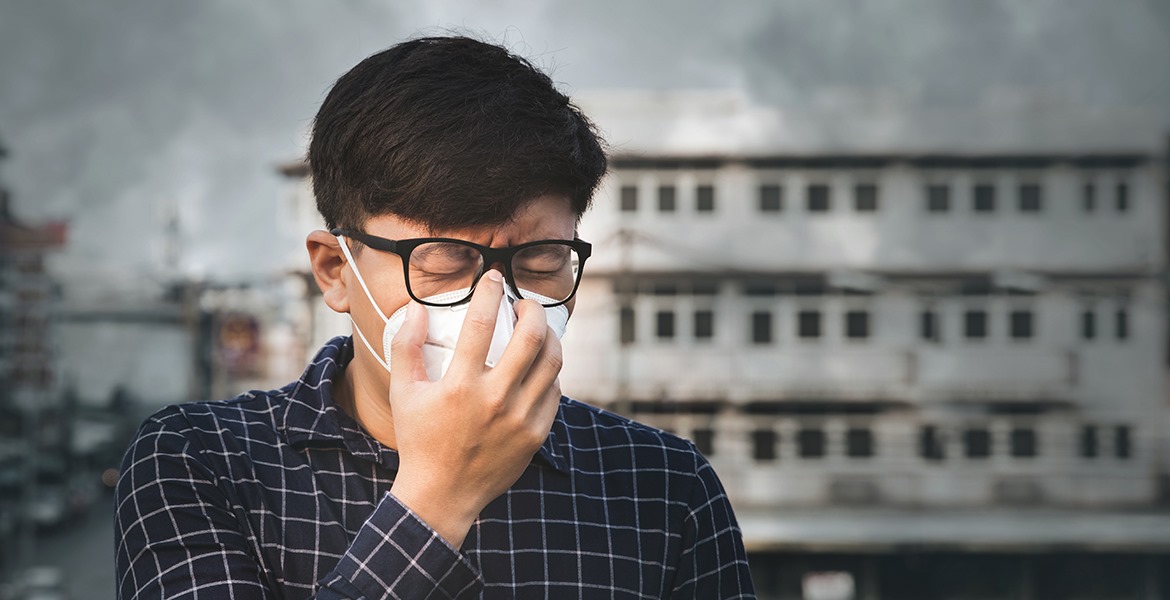
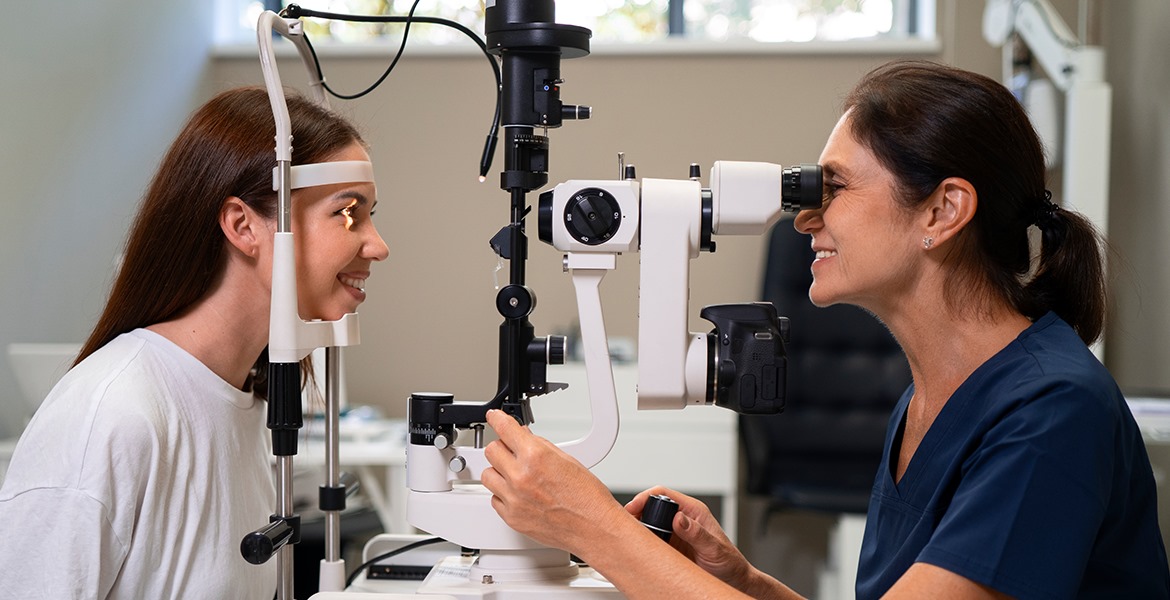
The truth can’t be denied! The concerning upraise of Air pollution across the world poses significant hazards to human health. While the impact of Air pollution on respiratory health is widely known, but many are yet unaware of its effects on our eye health. However, studies in the recent past and in continuous have shed light on the detrimental effects of Air pollution on the eyes, highlighting the need for greater awareness and preventive measures to be taken as the need of the hour. Air pollution consists of various harmful substances such as particulate matter (PM), nitrogen dioxide (NO2), sulfur dioxide (SO2), ozone (O3), and volatile organic compounds (VOCs). These pollutants are emitted from various sources, including vehicle emissions, industrial activities, and the burning of fossil fuels. When released into the atmosphere, they can have severe consequences for both the environment and human health. Consequences of Air Pollution are as follows for better understanding: Dry Eyes: Air pollutants can disrupt the tear film that protects and lubricates the eyes, leading to dry eye syndrome. Particulate matter, such as PM2.5 and PM10, can irritate the eyes, causing redness, itching, and a gritty sensation. Eye Allergies: Pollen, dust, and other allergens can bind to air pollutants, exacerbating allergic reactions in susceptible individuals. This can trigger allergic conjunctivitis, causing redness, itching, watery eyes, and swelling of the conjunctiva. Conjunctival Inflammation: Prolonged exposure to air pollutants can lead to chronic conjunctival inflammation. This condition, known as conjunctivitis or "pink eye," can cause redness, discharge, and discomfort. Corneal Damage: Certain air pollutants, such as sulfur dioxide and nitrogen dioxide, can directly damage the cornea—the transparent front part of the eye. Corneal erosion and ulcers may occur, leading to pain, blurred vision, and increased sensitivity to light. Age-related Macular Degeneration (AMD): Studies suggest that long-term exposure to Air pollution is associated with an increased risk of age-related macular degeneration, a leading cause of vision loss in older adults. Pollutants can induce oxidative stress and inflammation, contributing to the progression of AMD. The vision care industry expert, Mr. Mayank Rawat sharing his views on the concerning situation said "Being an expert in the Vision Care industry, I am deeply concerned about the impact of Air pollution on eye health. The harmful particles and pollutants present in the air cause a range of eye problems, from mild irritation to severe conditions such as dry eye syndrome and age-related macular degeneration. It is crucial to be aware of the proactive measures to protect their eyes, including limiting outdoor exposure during peak pollution hours, wearing protective eyewear, and maintaining good indoor air quality. By prioritizing eye health and adopting preventive measures, we can minimize the risks posed by Air pollution and ensure the well-being of our vision." While it may be challenging to completely avoid Air pollution, adopting the following measures can help mitigate its impact on eye health: Wear Protective Eyewear: When outdoors in heavily polluted areas or during activities that may expose your eyes to pollutants, such as cycling or gardening, wearing wraparound sunglasses or goggles can provide a barrier of protection. Use Artificial Tears: If you experience dry eyes, using preservative-free artificial tears can help alleviate discomfort and maintain proper eye lubrication. Consult an eye care professional for recommendations. Maintain Indoor Air Quality: Improve the air quality inside your home or workplace by using air purifiers or filters. Regularly ventilate the area to reduce indoor air pollutants and keep humidity levels in check. Keep Eyes Clean: Wash your hands frequently to prevent the transfer of pollutants to your eyes. Avoid rubbing your eyes, as this can further irritate them and increase the risk of infection. Regular Eye Examinations: Schedule regular comprehensive eye examinations with an optometrist or ophthalmologist. These professionals can detect and address any eye issues early on, ensuring timely treatment and management. As the world continues to grapple with the consequences of Air pollution, it is crucial to recognize and address its impact on eye health. By understanding the potential risks and implementing preventive measures, we can safeguard our eyes from the damaging effects of Air pollution. Additionally, advocating for cleaner air policies and sustainable practices will contribute to the long-term preservation of our visual well-being. Remember, healthy eyes are not just a matter of sight but a key aspect of overall quality of life.