Dec, 2023

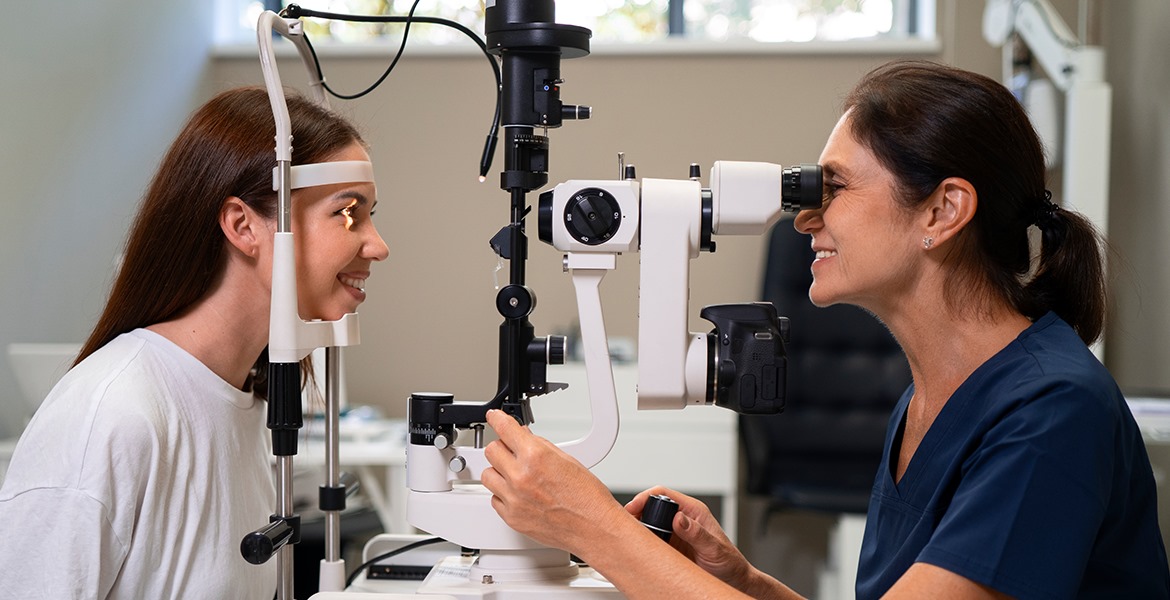
Ensuring workplace safety demands giving utmost priority to protecting your vision. Our eyes are integral to our daily lives, and any harm they endure can have enduring repercussions. Regrettably, many workers often underestimate potential hazards that pose a substantial risk to their vision. By acknowledging these dangers and adopting proactive measures, you can establish a safe work environment and safeguard your invaluable eyesight. To safeguard your vision, it's essential to identify potential hazards in your workplace. Here are some common culprits: Flying Debris: Industries like construction, manufacturing, and woodworking often involve activities that generate flying debris, such as wood chips, metal fragments, or dust particles. Without proper protection, these objects can cause severe eye injuries. Chemicals and Irritants: In workplaces where chemicals or irritants are used, splashes or exposure can be detrimental to your eyes. It's crucial to be aware of the substances being handled and take appropriate precautions to prevent contact with the eyes. Bright Lights and Radiation: Exposure to intense lights, lasers, or radiation sources can lead to eye damage. Welders, laboratory workers, and healthcare professionals are particularly vulnerable if they neglect to use appropriate eye protection. Lack of Eye Protection: In some cases, the absence or improper use of eye protection is a hazard in itself. Failing to wear safety goggles, face shields, or safety glasses when necessary greatly increases the risk of eye injuries. "Protecting your vision in the workplace is not just a matter of safety, but also a strategic investment in your long-term well-being. By prioritizing eye safety and taking proactive measures, we can ensure a future where every worker can see their way to success." - Mayank Rawat, Vision Care Industry Expert Once you have identified the hazards, it's time to take action to protect your vision. Follow some crucial steps to ensure workplace safety shared below: Wear Appropriate Eye Protection: Always wear the recommended eye protection for your specific job tasks. Safety goggles, face shields, or safety glasses can provide a barrier against flying debris, chemicals, and intense lights. Ensure that your eye protection meets the required safety standards and fits properly. Educate Yourself: Familiarize yourself with the potential eye hazards associated with your job. Understand the risks involved and learn how to minimize them. Stay updated on safety protocols and guidelines provided by your employer or regulatory agencies. Maintain Good Housekeeping: A clean and organized workplace plays a significant role in preventing eye injuries. Regularly clean and clear your work area to eliminate debris, clutter, or obstacles that may pose a hazard. Properly store tools and equipment to prevent accidents. Report and Address Hazards: If you identify any potential eye hazards in your workplace, report them to your supervisor or safety representative immediately. Prompt reporting allows for timely action to be taken, such as implementing safety measures or providing additional protective equipment. Regular Eye Check-ups: Schedule regular eye examinations to monitor the health of your eyes. Routine check-ups can help detect any underlying conditions or changes in vision early on, allowing for timely intervention and treatment. Promote a Culture of Safety: Encourage your colleagues to prioritize eye safety and report any hazards or incidents they come across. By fostering a culture of safety, you create an environment where everyone looks out for each other's well-being. Safeguarding your vision in the workplace is vital for your overall well-being and quality of life. By recognizing potential hazards, taking appropriate precautions, and promoting a culture of safety, you can ensure workplace safety and protect your eyes from harm. Remember, don't turn a blind eye to hazards—prioritize eye safety and take proactive measures to preserve your vision on the job.