Nov, 2023
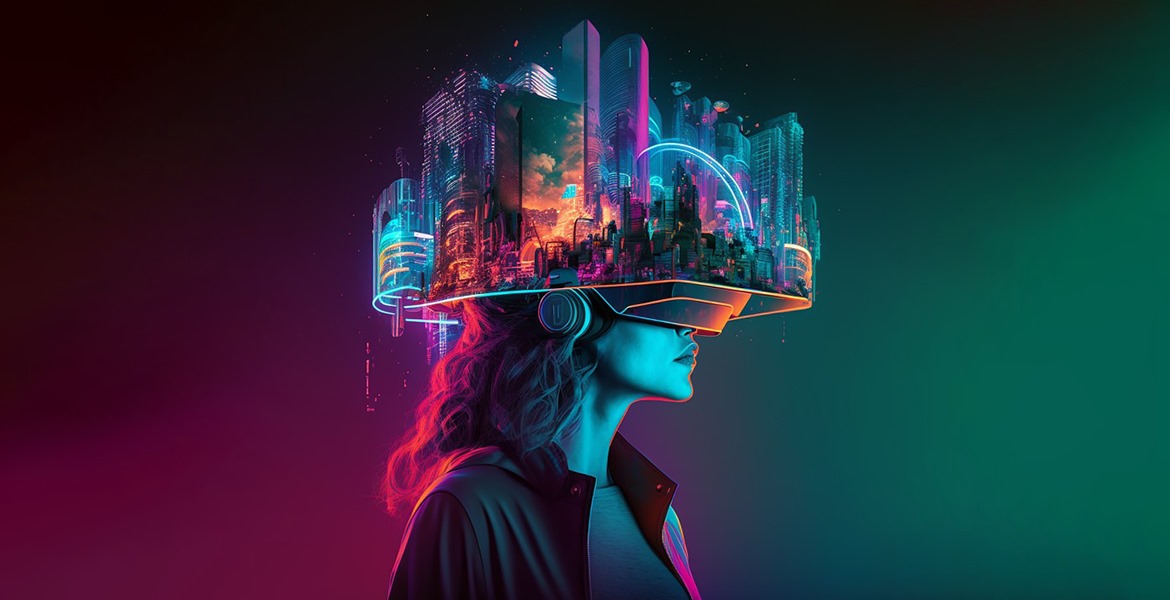
Virtual Reality (VR) technology has experienced significant improvements in recent years, revolutionizing the way we interact with digital content and immersive experiences. Due to the accessibility and affordability of VR headsets, VR has gained widespread popularity across various industries and entertainment sectors. While VR offers exciting possibilities, it has consequences along, regarding its potential impact on vision. Virtual Reality, a computer-generated simulation that immerses users in a three-dimensional, interactive environment, typically experienced through a head-mounted display (HMD). By stimulating the senses, VR creates a sense of presence, allowing users to feel as though they are physically present in the digital world. Eye strain and fatigue: But not to forget, the transformation and successive developments of VR headsets can cause eye strain and fatigue. The close proximity of the display to the eyes, combined with the need to focus on virtual objects at varying depths, can lead to a phenomenon known as the "vergence-accommodation conflict." This conflict occurs when the eyes converge (turn inward) to focus on a virtual object, but the lens inside the eye must also accommodate (change shape) to bring the virtual object into focus. This constant adjustment can strain the eye muscles and result in discomfort, fatigue, and even headaches. Motion Sickness and Vestibular Effects: VR experiences often involve rapid movements, changes in perspective, and simulated motion, which can induce motion sickness in some individuals. The visual stimuli provided by VR can conflict with the brain's perception of motion, leading to dizziness, nausea, and disorientation. Impact on Binocular Vision and Depth Perception: Binocular vision and depth perception rely on the eyes' ability to focus and align properly. Extended use of VR may disrupt these processes, particularly in young users whose visual systems are still developing. Dry Eyes and Visual Discomfort: The immersive nature of VR experiences often leads users to become so engrossed that they blink less frequently. Reduced blinking can cause dryness and discomfort in the eyes, leading to dry eye symptoms such as irritation, redness, and blurry vision. Additionally, prolonged exposure to bright screens in VR headsets can contribute to eye strain and discomfort, similar to the effects of excessive screen time on traditional displays. As it’s said development and advancement come at a cost, so is the case with the mount touching VR technology.